

How osteopathy can help with pain was already covered in the previous article: Osteopathy in pain – André Silva (andresilvaosteopata.pt) . Today we’re talking specifically about lower back pain.
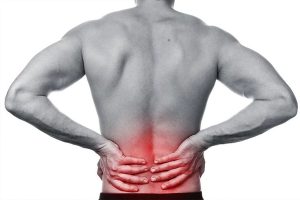
Low back pain is one of the most common complaints worldwide, affecting millions of people of all ages. And it’s one of the main reasons why people turn to an osteopath. The symptoms, which are located in the lower back, between the last ribs and the gluteal region, can vary in intensity and duration, from mild pain that does not limit the person’s activities of daily living, to acute, very debilitating pain that has a very significant impact on the patient’s quality of life.
The World Health Organization (WHO) estimates that around 80% of the world’s population will suffer from low back pain at some point in their lives, and in Europe, studies indicate that low back pain is one of the main causes of disability, affecting approximately 20% of the adult population (Data from the European Pain Federation).
When people ask me about the causes of low back pain, my answer is always based on the latest scientific literature, according to which there is no single factor responsible for this complaint. In most cases, the causes are multifactorial. Traumatic injuries, prolonged positions, repetitive gestures resulting from professional activity, old age, excess weight and genetic factors can all contribute to the development of a particular pathology that can cause low back pain. Furthermore, and no less importantly, it is now recognized that emotional stress, anxiety, sleep deprivation or poor sleep quality, lack of physical activity and a sedentary lifestyle play a very significant role in increasing the risk of the problem.
Developing some of the factors mentioned above and starting to think about a traumatic injury, we could be talking about a muscle strain that occurred, for example, during a sudden movement, when practicing a sporting activity or even during work when we went to put down a certain load. A more serious trauma is, for example, a road accident which, depending on its severity, can lead to vertebral fractures or subluxations.
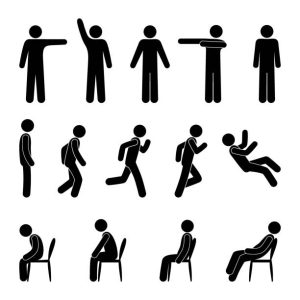
Considering a position that is prolonged over time, I immediately think of the sitting position, which not only puts pressure on the intervertebral discs but also leads in the long term to the muscle and joint stiffness that so many people complain about. I have a lot to say about the sitting position, I talk about it almost every day in consultation, so it deserves more of my attention in an article coming soon to my website.
Focusing again on the multiple factors for low back pain and talking about repetitive gestures arising from a profession, I always remember nurses (possibly the most represented health professionals in my consultation), due to the physical demands of their work, such as maneuvers to lift and lay down bedridden patients. Drivers too, regardless of their vehicle, are at risk due to the sitting position mentioned above.
Looking at the age factor, it is undeniable that the aging process can cause dehydration and disc degeneration, making the discs more susceptible to injury. Ageing can also bring changes in posture and body biomechanics, which can put more pressure on the entire spine. In turn, excess weight places an additional burden on the spine, especially the intervertebral discs and facet joints. This overload can result in faster degeneration of the discs and joints, leading to lower back pain.
It is essential to be aware of warning signs, known as “red flags”, which may indicate the presence of a more serious underlying condition. Fever, unexplained weight loss, progressive muscle weakness and bladder and bowel control problems are examples of signs that require immediate medical evaluation.
Scientific research into low back pain is extensive and covers a variety of aspects, from the biomechanics of the spine to the effectiveness of different treatment modalities. Recent studies highlight the importance of a multidisciplinary approach to managing low back pain, integrating physical, psychological and pharmacological therapies. This is where osteopathy comes in as an adjunct therapy, together with physical activity, lifestyle changes and, in some cases, medication.
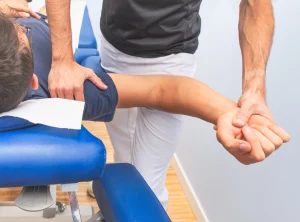
Osteopaths are able to make a global, in-depth and complete assessment of the factors that may be contributing to the patient’s back pain and guide the person towards a more positive change in these factors. As far as the treatment itself is concerned, using gentle manual techniques, particularly techniques aimed at soft tissues (muscles, ligaments, fascia, tendons), osteopaths try to reduce muscle tension around the lumbar region, in an attempt to promote blood flow to the area and thus contribute to tissue regeneration or repair. At the same time, joint mobilization techniques are essential, particularly in the lateral decubitus position, where the person usually feels most comfortable. When I mention mobilization techniques, I mean all techniques that promote flexion/extension, inclination and rotation of the lumbar spine, always within the patient’s comfort range.
The lumbar traction techniques that were always widely used by osteopaths and manual therapists are no longer recommended in most guidelines. They are not conclusive as to the manipulative treatment, suggesting that the professional make an individual and rigorous assessment of the specific case.
In any case, osteopathy offers a holistic and individualized approach to treating low back pain, focusing not only on the symptoms, but also on the underlying causes of the condition. With its gentle manual techniques, osteopathy seeks to correct biomechanical imbalances, restore the mobility and function of joints and promote the body’s natural healing. In addition, osteopaths offer education and counseling to patients, enabling them to take an active role in their own recovery process and preventing recurrences.
I think it’s important to implement preventive measures, such as adopting good ergonomic practices in the workplace, taking regular breaks for rest and stretching, doing exercises to strengthen the so-called core muscles and, if we want to go further, seeking professional advice on techniques for lifting and carrying loads.
As you can see, there are many factors where we can intervene. Be sure to seek out a qualified osteopath to do this.

Com as suas técnicas manuais suaves, a osteopatia não só trata os sintomas, como também ataca as causas subjacentes da dor, como a tensão muscular, os desequilíbrios posturais e os fatores de estilo de vida. Visite-nos Telkom University Jakarta